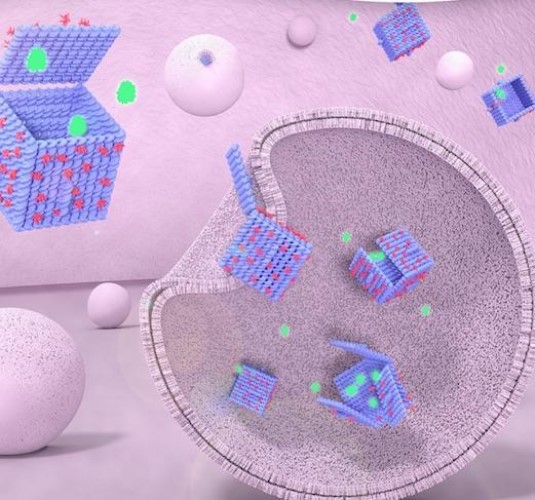
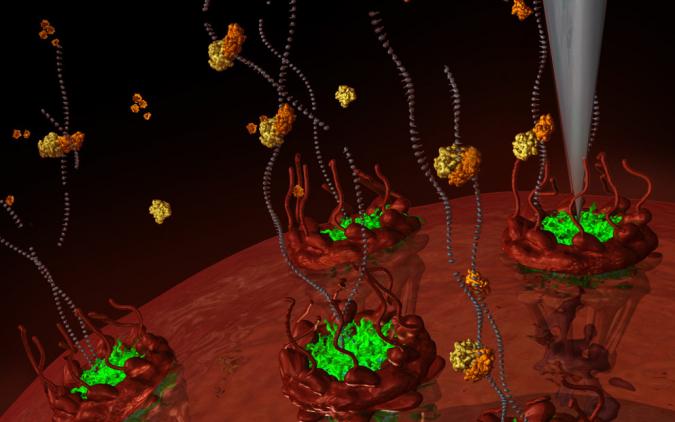

Nikon Imaging Centre at King’s College London established as the Nikon super resolution microscopy centre for Europe
Bio-imaging is a powerful tool in biological research, providing valuable spatial, quantitative and dynamic information on biological molecules. This information enables researchers to investigate the structure, functions and mechanics of a wide range of biological...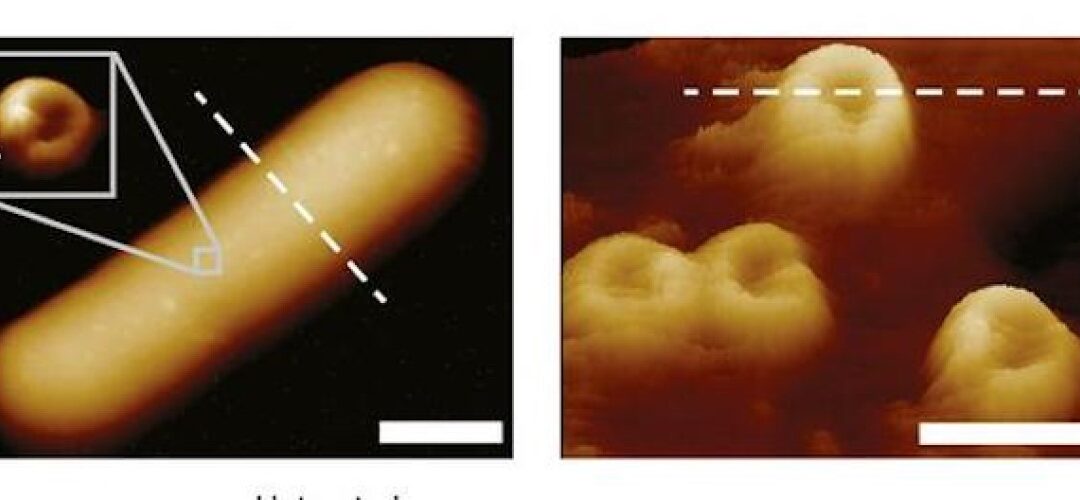
Filming how our immune system kills bacteria
To kill bacteria in the blood, our immune system relies on nanomachines that can open deadly holes in their targets. LCN scientists have now filmed these nanomachines in action, discovering a key bottleneck in the process which helps to protect our own cells. The...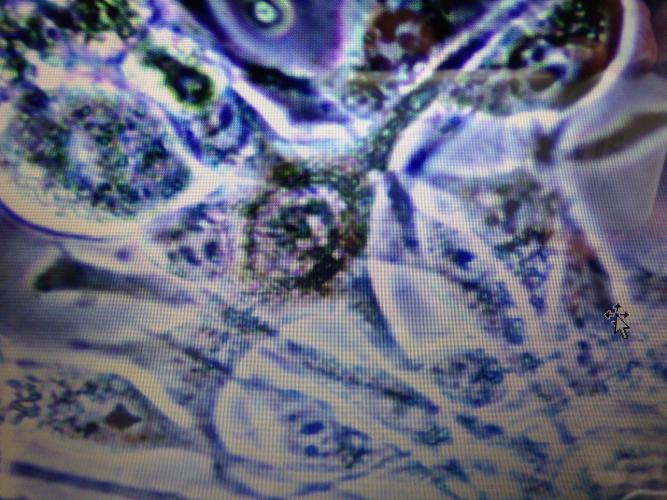
Correlation between melanin levels and free radical formation in human cells following illumination by ultraviolet A light.
Melanin is a naturally-occurring pigment that is largely responsible for skin colour. It absorbs the ultraviolet and blue components of sunlight, thus preventing the photochemical formation of free radicals that can damage DNA in the skin. In darkly pigmented skin,...