LCN Professor Awarded Honorary Doctorate by Uppsala University
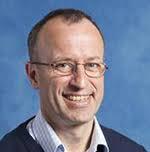
Professor Steven T. Bramwell (LCN and UCL Department of Physics & Astronomy) has been awarded an honorary doctorate (FDhc) at Uppsala University, Sweden. Founded in 1477, Uppsala University is the oldest university in Scandinavia. The title of honorary doctor...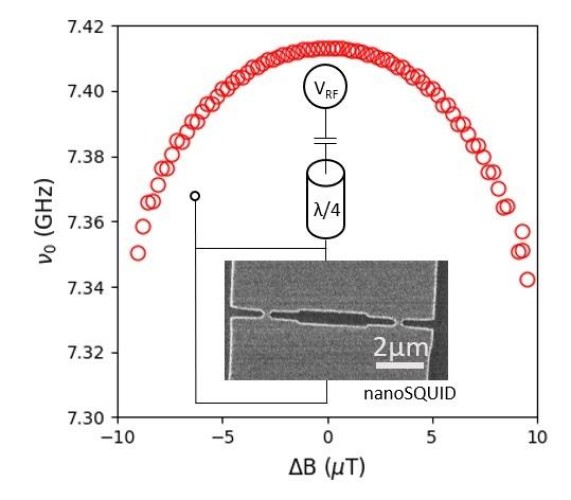
New scalability potential for hybrid superconducting-spin systems in the atomic quantum space
The direction of quantum research indicates that future computers will require a ‘quantum hard-drive’; where quantum information is stored before future processing. Spin-ensemble memories can have extremely long coherence times, particularly at magnetic field...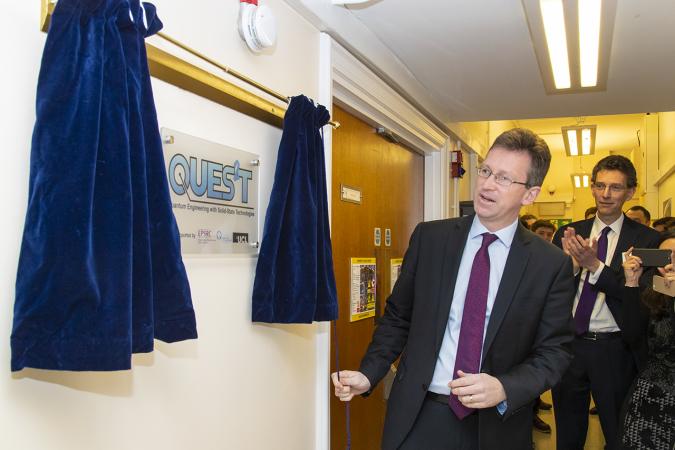
Digital Secretary opens new quantum laboratories at UCL
The Secretary of State for Digital, Culture, Media and Sport, Jeremy Wright, officially opened UCL’s new quantum laboratories at the university’s main campus in Bloomsbury, saying they will provide a boost to the university’s world-renowned research into the...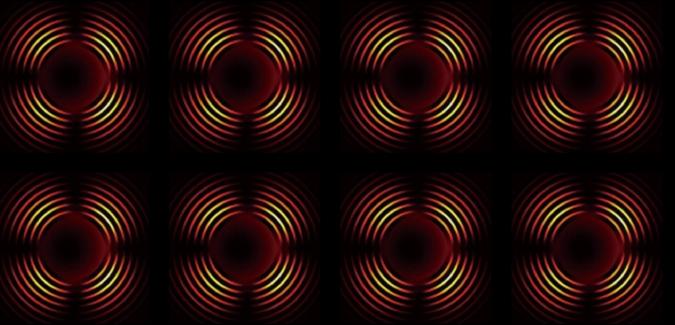
New hyperbolic metamaterial fabricated by researchers at King’s College London.
A new type of hyperbolic metamaterial has been developed by researchers at King’s College London (KCL) allowing researchers have greater flexibility of manipulating light-matter interactions at the nanoscale. Hyperbolic Metamaterials are artificial...