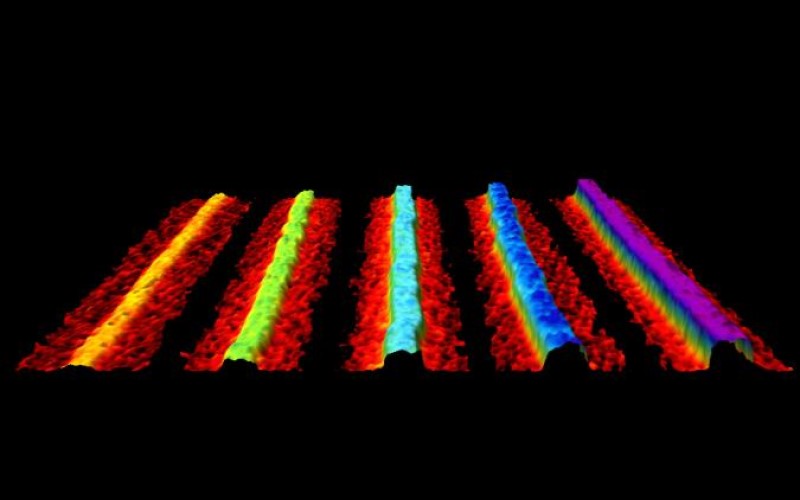
Wonder material: individual 2D phosphorene nanoribbons made for the first time
Tiny, individual, flexible ribbons of crystalline phosphorus have been made by UCL researchers in a world first, and they could revolutionise electronics and fast-charging battery technology. Since the isolation of 2-dimensional phosphorene, which is the phosphorus...
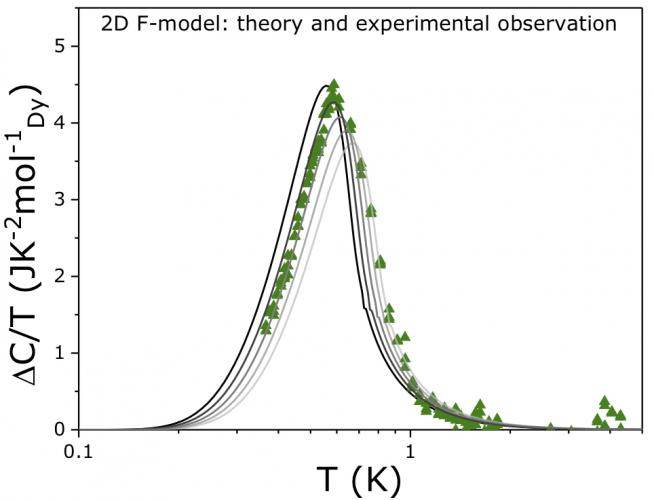
New SPIN-Lab at Imperial
LCN Professor Sandrine Heutz has been awarded £2 million from the EPSRC to fund a new state-of-the-art hub of magnetic characterisation SPIN lab in the Department of Materials at Imperial College London. The facility includes equipment for the study of strongly...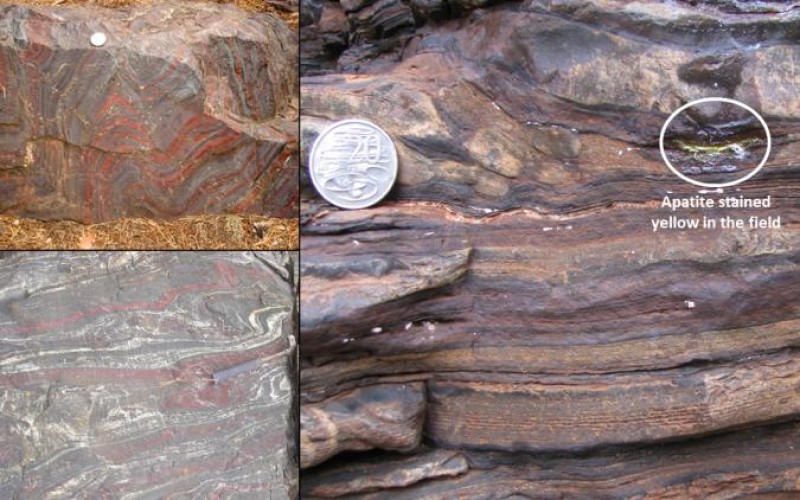
Tracking records of the oldest life forms on Earth
Ancient organic matter of biological origin has been tracked in multiple samples of rock spanning over 2,000 million years of Earth’s history, according to LCN researchers. The discovery provides a new characteristic ‘bio-signature’ to track the remains of ancient...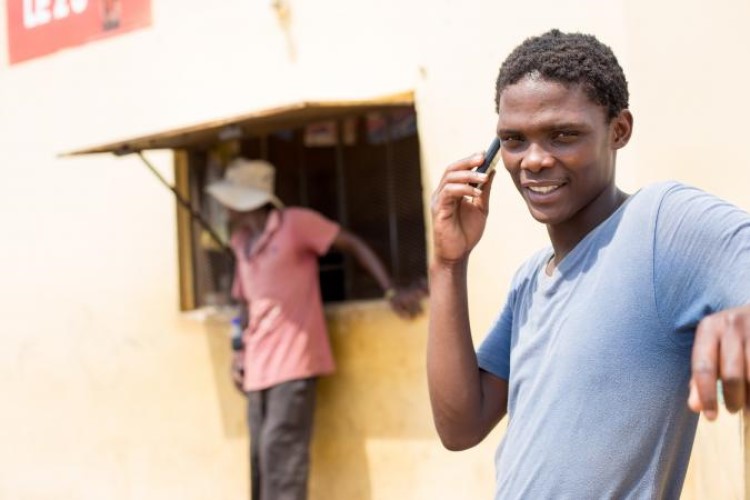
Building the future of mobile healthcare
The combination of mobile devices with diagnostic tools offers new possibilities to test, track and treat infectious diseases as well as improve health systems, according to a new review published today in Nature. The review, led by i-sense researchers from the London...