
The tiniest secrets of integrated circuits revealed
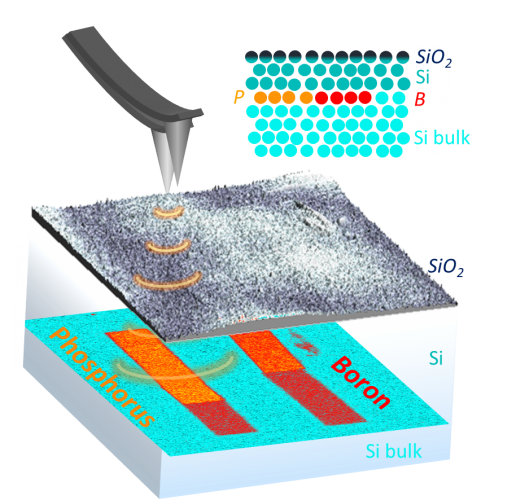
New research has demonstrated that the secrets of the tiniest active structures in integrated circuits can be revealed using a non-destructive imaging technique. The breakthrough required the efforts of an international team of scientists from JKU and Keysight...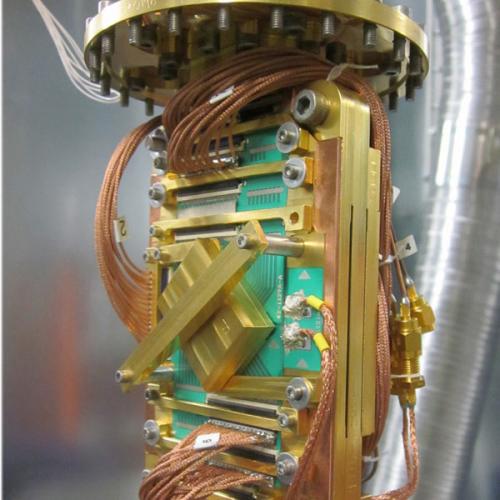
Heat from the Environment can Help Quantum Annealers Solve Certain Problems
Scientists at the London Centre for Nanotechnology (LCN) have recently demonstrated that heat energy coming in from the outside can help a quantum annealer get better solutions for a certain type of problem. The usual approach to quantum annealing is to run the device...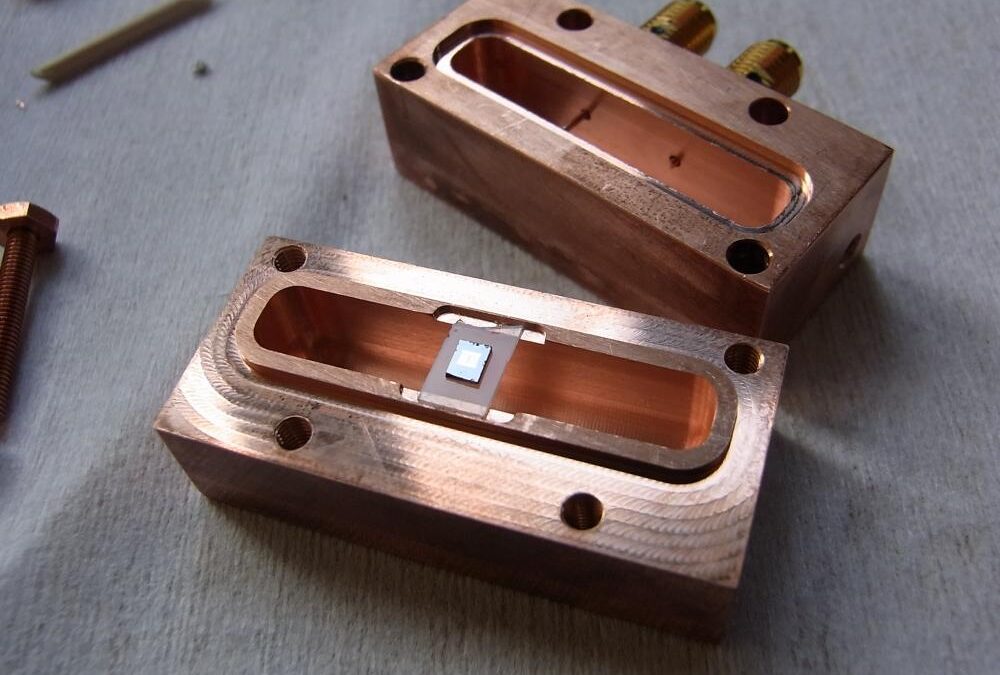
Quantum magnets forced to ”chillax”
In what may provide a potential path to connecting data in a quantum computer, researchers have shown that excited atoms in silicon can be forced into a relaxed state on-demand using a device that serves as a microwave “tuning fork.” The team’s findings could...