
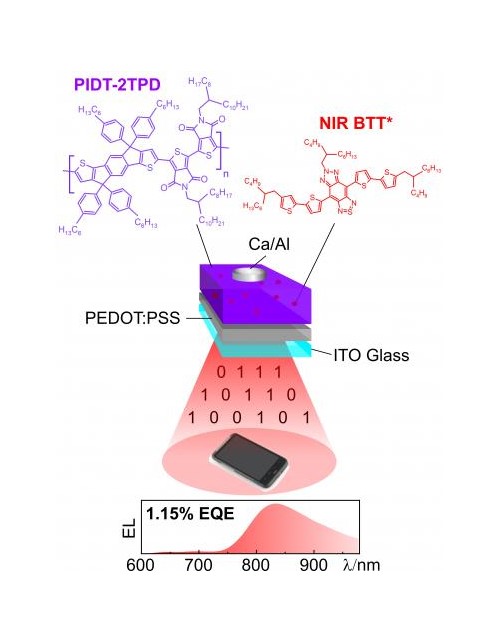
Efficient Near-infrared Electroluminescence from a “Metal-Free” Fluorophore
Burgeoning interest for near-infrared (NIR) organic light-emitting diodes (OLEDs) is fuelled by the huge prospects for integration in a broad range of applications, spanning from “biomedics” (for sensing, bio-imaging, photodynamic therapy, optogenetics, to name just a...
Preparing the NHS for a digital future
As the NHS celebrates its 70th anniversary, LCN academic and i-sense EPSRC IRC Director, Professor Rachel McKendry, is helping to assess how new technologies including genomics, artificial intelligence and bionanotechnology, will shape the future of healthcare in the...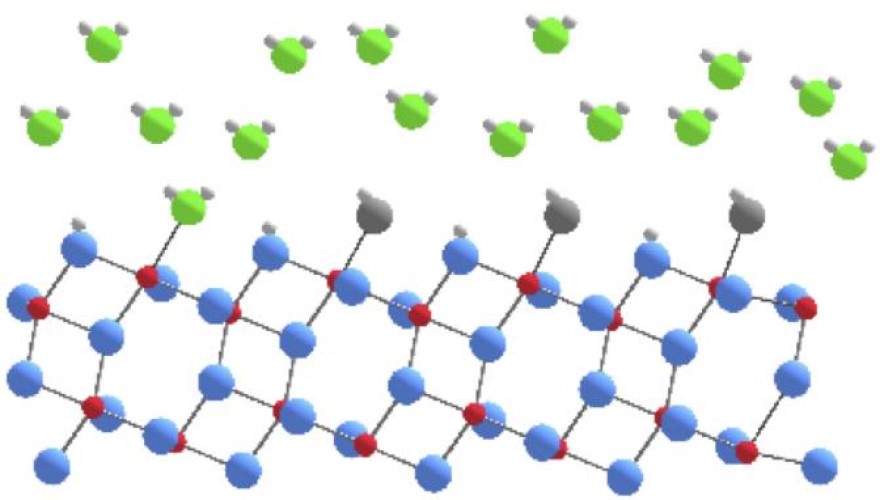
Photocatalysis: Importance of the Aqueous Interface
The interaction of water on TiO2 is crucial to elucidate photocatalytic water splitting for hydrogen fuel generation. Anatase and rutile are the most commonly occurring polymorphs of TiO2. Although the interaction of water on rutile surfaces has been extensively...
Quantum Leap: from research to large-scale market
Quantum Leap: from research to large-scale market: Two UCL professors present evidences to secure the future of the Quantum Technology research funding Quantum technology has the potential to make transformative impacts in computing, security, sensing and navigation,...