From proof-of-concept to scale-up: two days exploring the future of metamaterials in the UK.
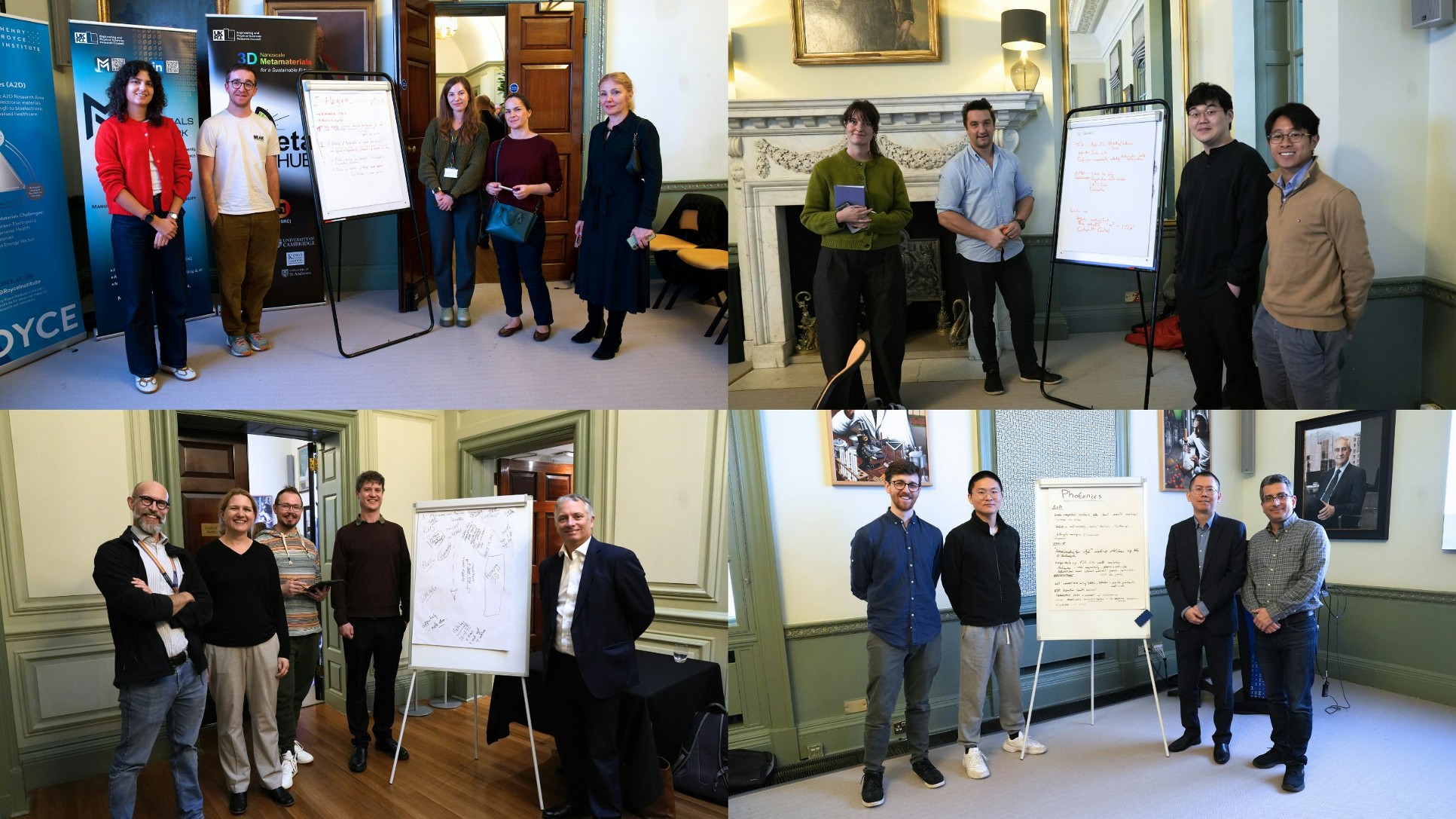
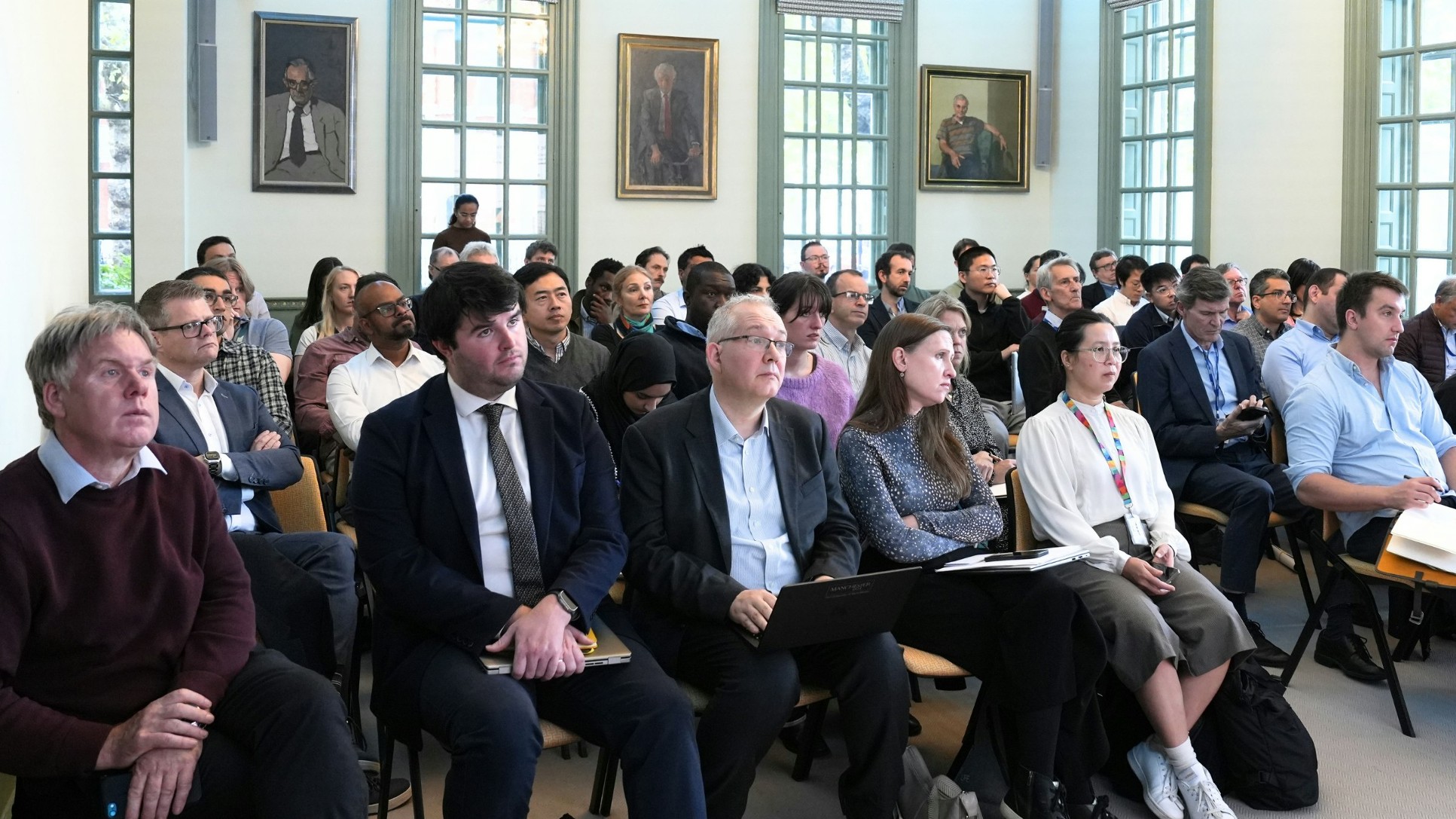
On 19–20 October, Royce at Imperial hosted the Metamaterials Translation: From Proof-of-Concept to Scale Up workshop, bringing together researchers, industry representatives and experts from across the UK.
With over 80 attendees on Day 1 and around 45 on Day 2, the event provided an opportunity to share research, explore manufacturing capabilities and discuss the challenges of translating metamaterials into real-world applications.
🔹 Day 1 | Research, innovation and commercialisation
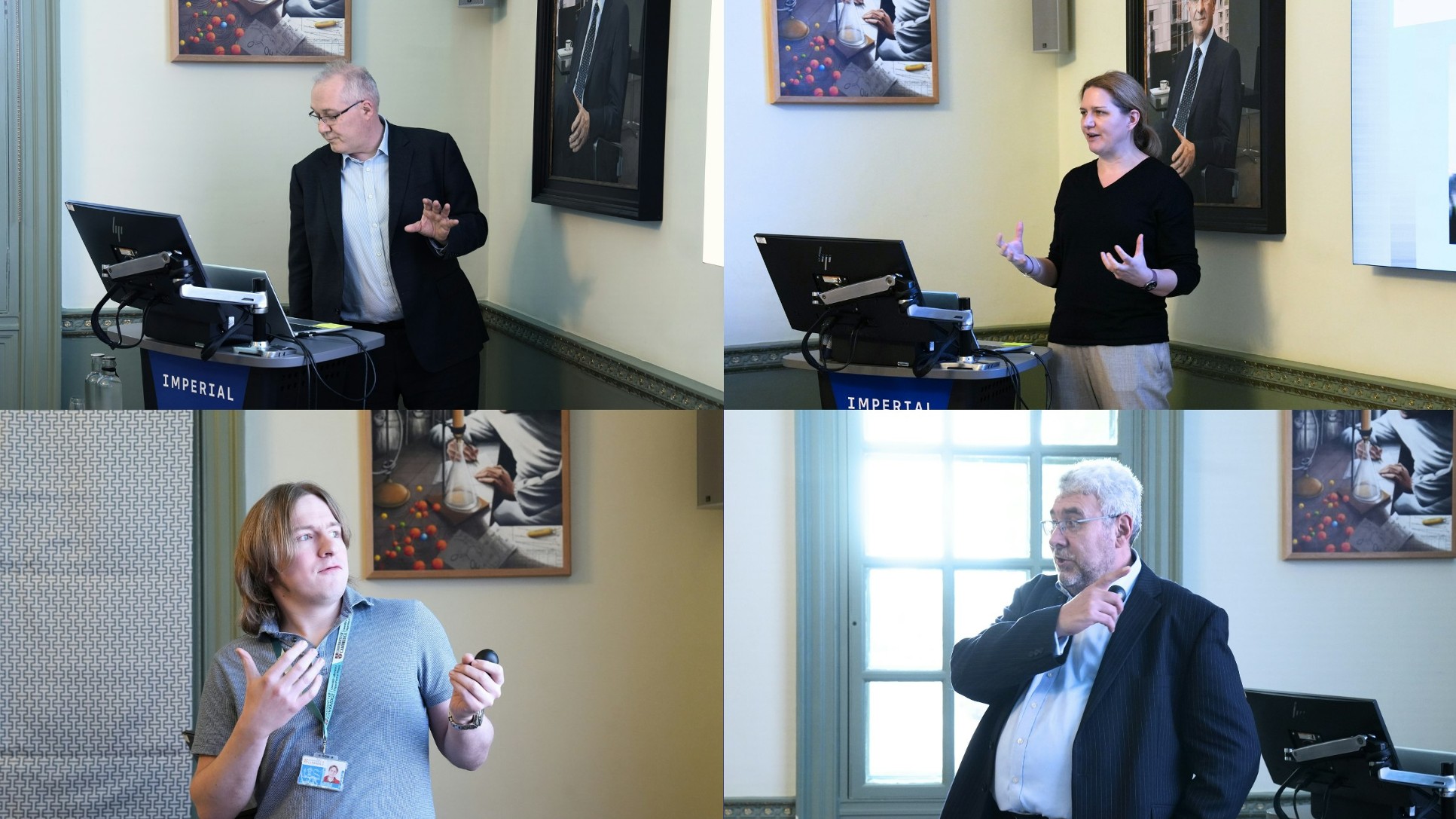
The programme featured contributions from Alastair Hibbins and Riccardo Sapienza on the UK metamaterials landscape and research at Imperial, alongside funding perspectives from James Penny, Chanattra Ammatmanee and Claire Cox.
Stuart Kitney introduced the Henry Royce Institute’s Industrial Collaboration Programme, followed by case studies presented by Michael Sloan, Cameron Gallagher, Edmund Harbord, Shriya Parab, Judah Chellappa, Peter Petrov, Dr. Manpreet Singh and Simon Pope.
A key highlight was the announcement of the forthcoming Metamaterials Commercialisation Roadmap.
🔹 Day 2 | Manufacturing, facilities and scale-up
Edmund Linfield opened the second day, followed by Claire Dancer discussing the challenges of metamaterials manufacturing.
Presentations from Professor Andrew Holmes, Jin Qin, Ryan Bower, Joe Askey, Edmund Linfield and Craig Knox highlighted capabilities across UK research facilities.
A roundtable discussion explored what is needed to support further demonstration and scale-up of metamaterials technologies in the UK.
The workshop concluded with a visit to Royce facilities at Imperial College London’s White City Campus.
Across both days, the discussions generated positive feedback, active participation and valuable perspectives on the next steps for metamaterials translation.
Thank you to all our speakers, attendees and collaborators, including the UK Metamaterials Network, The Bragg Centre for Materials Research and colleagues across the Henry Royce Institute‘s Atoms to Devices Research Area, for contributing to a productive two-day workshop