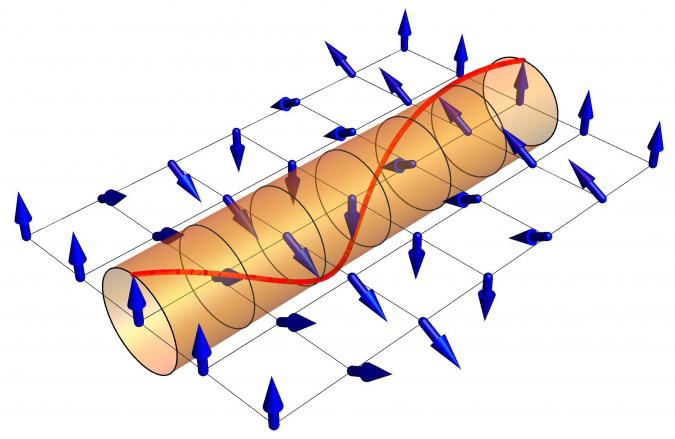
Quantum magnets forced to ”chillax”
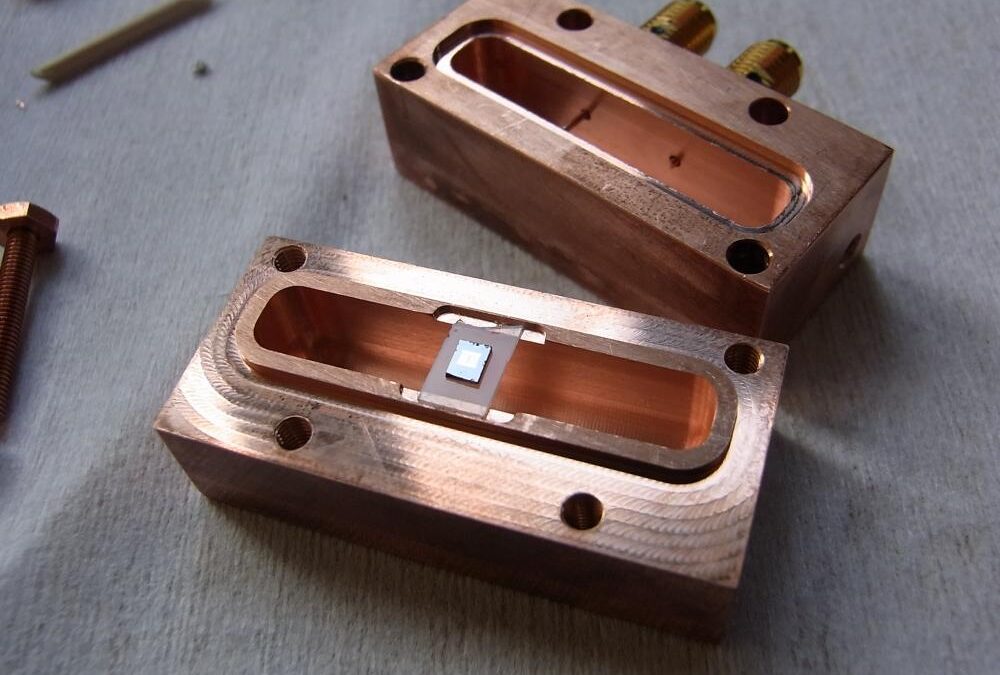
In what may provide a potential path to connecting data in a quantum computer, researchers have shown that excited atoms in silicon can be forced into a relaxed state on-demand using a device that serves as a microwave “tuning fork.” The team’s findings could...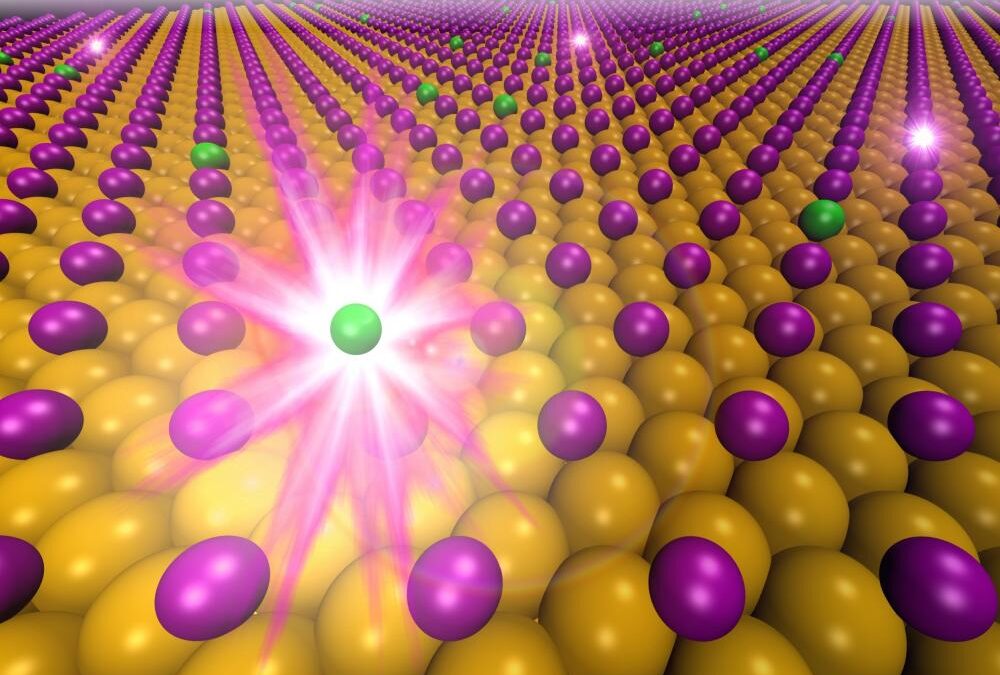
Stable Two-Dimensional Radioactive Films: An Atomic-Scale Picture
Two dimensional radioactive films are a new and exciting system to study nuclear decay at the atomic level with applications in a variety of fields ranging from medical imaging to cancer therapy. Before these films can be used in real-world application however, their...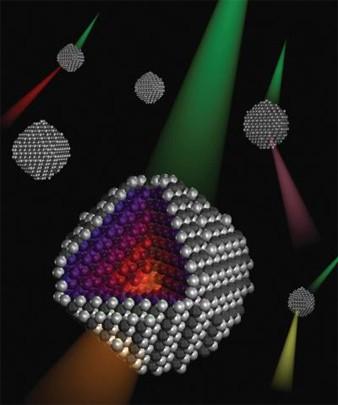
Transient melting of a nanocrystal: seeing is believing
Jesse Clark, working as a postdoc in the LCN group of Ian Robinson, has discovered a spectacular transient melting phenomenon in nanocrystals. Coherent X-ray diffraction experiments, carried out at the LCLS X-ray free electron laser facility at Stanford, have allowed...