
LCN Researchers at King’s have secured funding through the Wellcome Leap Focused Antibiotics programme to develop a new generation of nanomedicines capable of delivering antibiotics directly to the site of infection while reducing their impact on beneficial gut bacteria. The programme supports innovative approaches to tackling antimicrobial resistance, one of the most pressing challenges facing modern medicine.
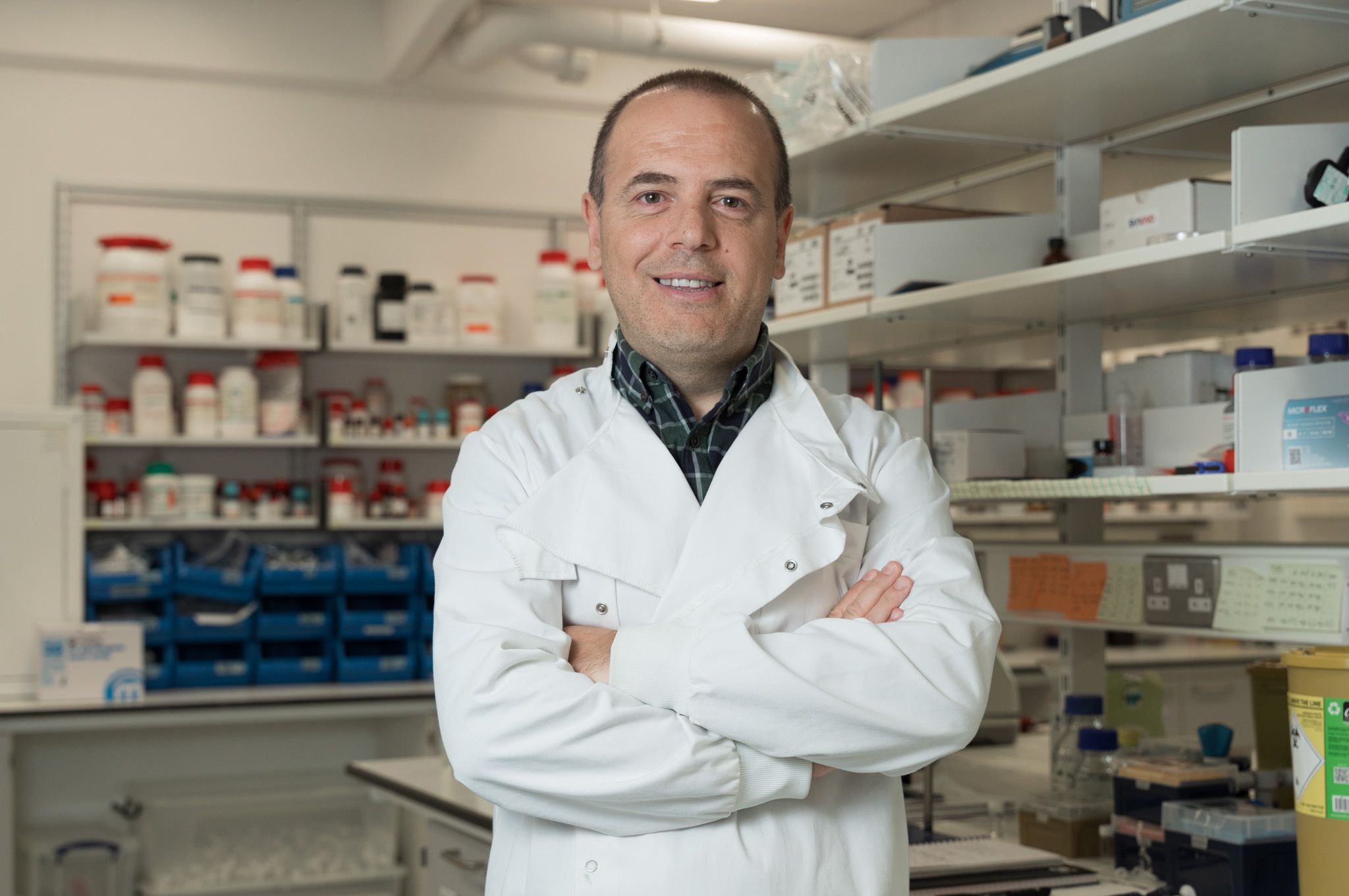
The project is led by Dr Driton Vllasaliu from the Institute of Pharmaceutical Science and brings together a uniquely multidisciplinary team spanning expertise in biotherapeutics delivery, pharmaceutical nanotechnology, engineering biology and drug development. Their shared goal is to develop more precise treatments that can target infections while minimising the unintended consequences of conventional antibiotic use.
At the heart of the research are extracellular vesicles (EVs), naturally occurring nanoparticles found in milk. These tiny biological packages, measuring just tens to hundreds of nanometres in diameter, can survive the digestive system and cross the gut wall into the bloodstream. Researchers believe these properties make them promising carriers for delivering medicines to specific sites within the body.
The team will investigate how milk-derived EVs can be engineered to transport antibiotics directly to localised infections. Unlike conventional antibiotics, which are distributed throughout the body, this targeted approach could reduce exposure of healthy bacteria to treatment and help slow the development of antibiotic resistance.
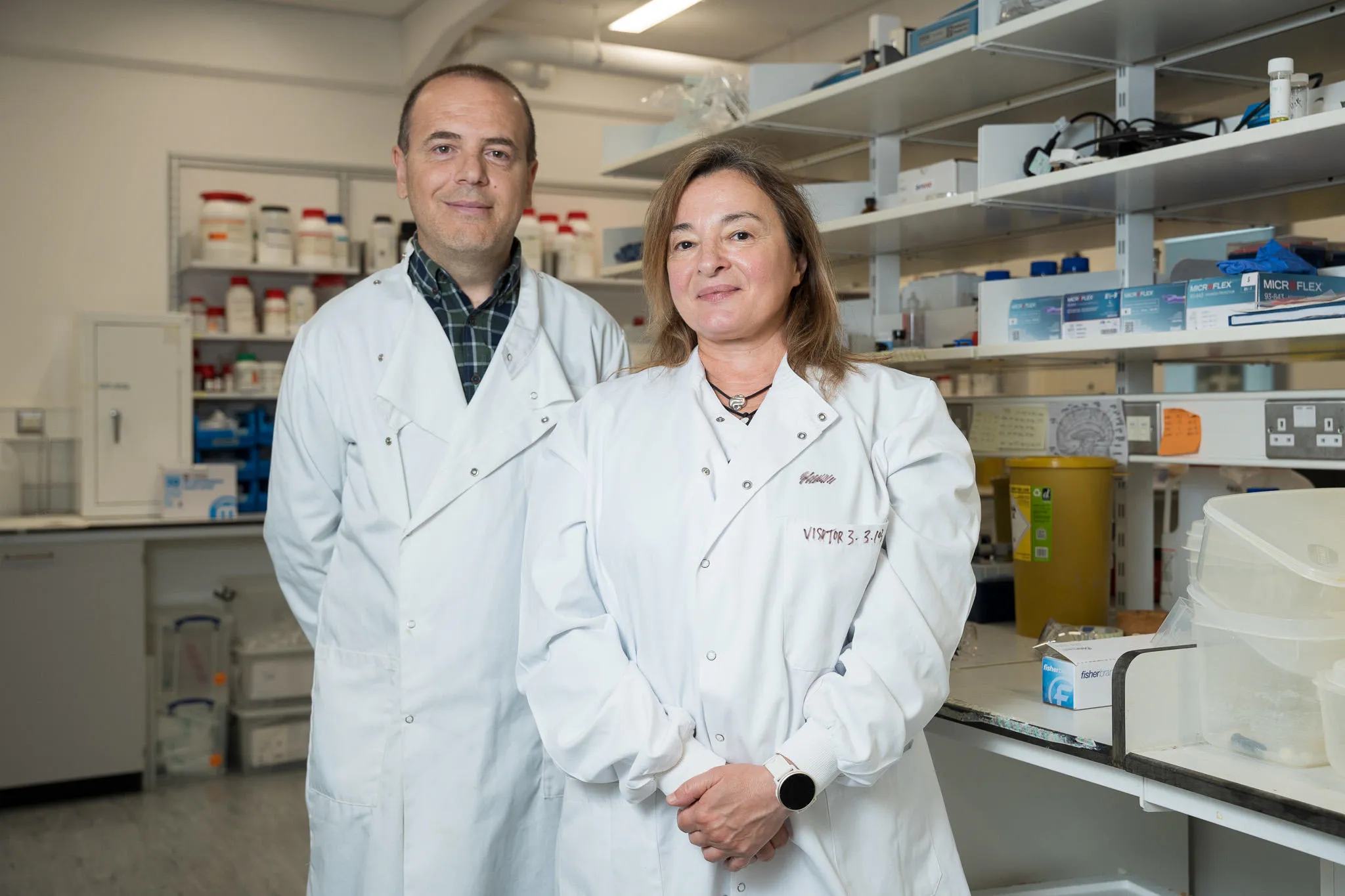
The project also draws on expertise in pharmaceutical nanotechnology, including that of Professor Maya Thanou, whose research focuses on the design and development of advanced nanoparticle systems for drug delivery. By combining expertise from across King’s, the researchers aim to translate fundamental discoveries in nanomedicine into practical solutions for patients.