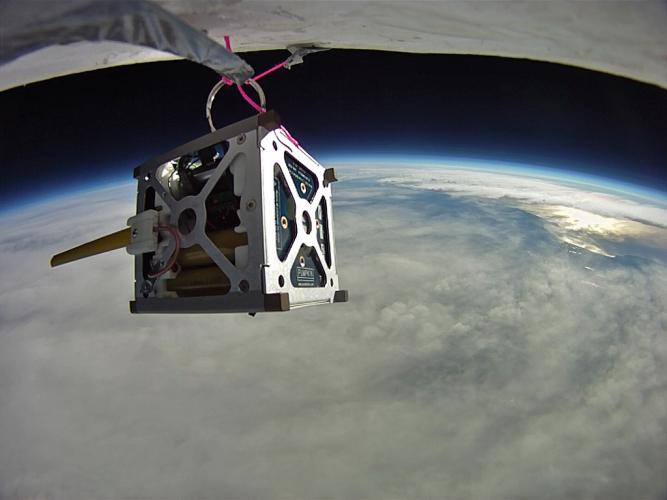
Neutron Radiation Tolerance of Organic-based Devices
Avionics and space applications as well as smaller scale devices, such as weather balloons, mini-satellites and high-flying drones, may benefit greatly from the lightness and flexibility of organic-based devices because of the vital importance of minimising payload...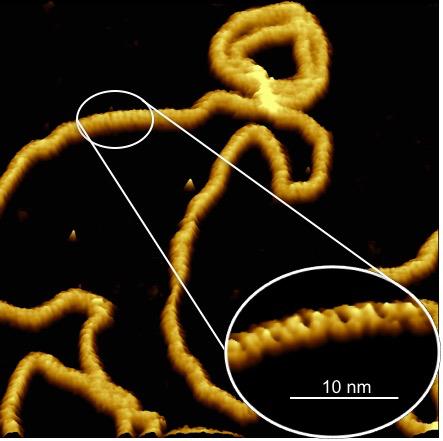
LCN researcher’s work featured in 30th Anniversary celebrations of AFM and STM
The work of LCN researcher, Dr Alice Pyne has been featured in a high-profile webinar, celebrating the 30th anniversary of the Nobel Prize in Scanning Tunnelling Microscopy (STM) and the 30th anniversary since the first paper in Atomic Force Microscopy (AFM). Alice’s...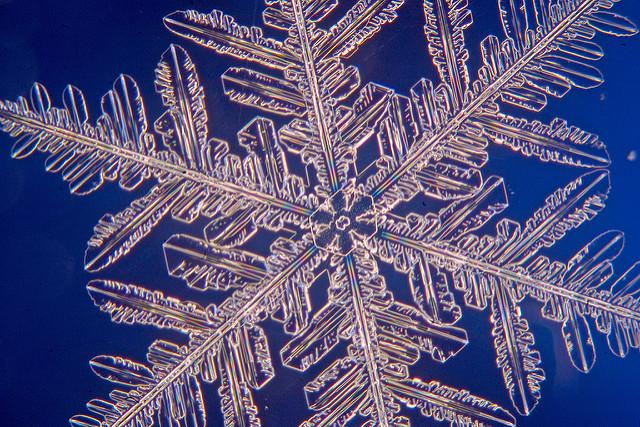
Understanding how ice crystals form in clouds
How ice forms on the surfaces of mineral dust particles in the atmosphere has been revealed by a team from the LCN and the Karlsruhe Institute of Technology (KIT) in Germany. More than 90% of precipitation over land relies on the formation of ice crystals on airborne...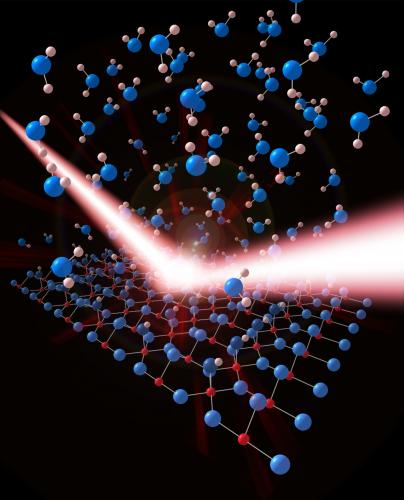
Modelling Photocatalytic Interfaces
Water is a crucial molecule to have a good understanding of with respect to adsorption on solid surfaces. This is mainly due to its ubiquity and therefore its pivotal role in many scientific processes including catalysis and corrosion protection. A study involving a...